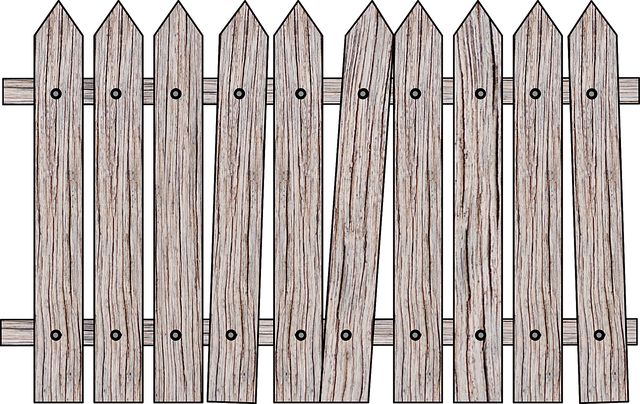
New Bedford, MA, boasts a vibrant cultural landscape where ornamental fencing styles serve as both functional art and historical markers. This guide takes you on a journey through the city’s diverse fencings, exploring their evolution from classical to contemporary aesthetics. We delve into the material craftsmanship, from traditional woodcarving to modern metalwork, and uncover the impact of local artists who have elevated fencing artistry into a form of urban expression. Furthermore, we examine how these intricate designs play a pivotal role in community space revitalization, transforming public areas into vibrant testaments of New Bedford’s rich history and cultural diversity.
- Exploring New Bedford's Fencings: A Cultural Journey
- Historical Overview: Evolution of Ornamental Fencing Styles
- Material Matters: From Wood to Metal Craftsmanship
- Design Diversity: Classical to Contemporary Aesthetics
- Local Artists and Their Impact on Fencing Artistry
- Community Spaces: Fencing's Role in Urban Revitalization
Exploring New Bedford's Fencings: A Cultural Journey
New Bedford, MA, boasts a diverse collection of ornamental fencing styles that reflect its rich cultural heritage and evolving landscape. From historic Victorian designs to contemporary metal artworks, these fences serve as both functional barriers and aesthetic statements. Each style tells a story, whether it’s preserving privacy, defining property lines, or enhancing the beauty of residential and commercial spaces.
The city’s architectural diversity is evident in its fencing, with influences from European immigrants who settled here over the centuries. Victorian homes often feature intricate iron fences with elaborate scrollwork and floral motifs, reminiscent of the era’s ornate decor. These structures, often painted in vibrant colors, add a touch of elegance and charm to neighborhood streets. In contrast, newer developments incorporate sleek, modern metal panels and vertical slats, offering both security and visual appeal.
New Bedford also showcases unique cultural expressions through fencing. Local artists collaborate with property owners to create custom metal sculptures that double as fences, transforming ordinary barriers into works of art. These pieces reflect the city’s maritime history, incorporating images of ships, anchors, and sea creatures, while others celebrate its diverse cultural heritage with vibrant colors and patterns inspired by various ethnic groups.
Exploring New Bedford’s ornamental fencing styles offers a window into the city’s past, present, and future. Each fence is a testament to the community’s adaptability, creativity, and pride in preserving its unique character while embracing new trends and artistic visions.
Historical Overview: Evolution of Ornamental Fencing Styles
New Bedford, MA, boasts a rich history of architectural and landscaping styles, with ornamental fencing playing a significant role in shaping the city’s aesthetic. Over time, these fences have evolved from functional barriers to intricate works of art that reflect the region’s cultural and artistic growth. This historical overview delves into the transformation of ornamental fencing styles, highlighting key periods and influences that have contributed to New Bedford’s unique urban landscape.
The early 19th century saw the emergence of simple wooden fences in New Bedford, primarily serving to enclose properties and mark boundaries. These fences were functional but lacked decorative elements, reflecting the practical focus of the time. As the city grew and wealthier residents moved in, the late 1800s brought about a shift towards more ornate styles. Iron and steel became prevalent, with elaborate designs featuring intricate patterns and scrolling work. Victorian-inspired homes often boasted lavish fences that mirrored the opulence of their dwellings, showcasing the period’s fascination with detail and decorative craftsmanship.
The 20th century ushered in a new era of modernization, and ornamental fencing styles began to adapt. The Art Deco movement influenced designs, resulting in sleek, geometric patterns and clean lines. During this time, fences also started to serve more functional purposes, incorporating security features and becoming integral to urban planning. Today, New Bedford’s diverse neighborhoods showcase a mix of historical and contemporary fencing styles, reflecting the city’s dynamic character and its residents’ appreciation for both tradition and innovation in landscaping design.
Material Matters: From Wood to Metal Craftsmanship
In New Bedford, MA, ornamental fencing styles are a significant aspect of landscaping design, enhancing both functionality and aesthetic appeal. The choice of material plays a pivotal role in defining the character and durability of these fences. From traditional wood to modern metal, each medium offers unique artistic possibilities and practical considerations that cater to diverse homeowner preferences.
Wooden fences have long been a staple in New Bedford, known for their warm, natural beauty and versatility. Crafted from local species like cedar or pine, these fences can be tailored to fit various designs, from simple, classic styles to intricate, custom patterns. Wooden fencing not only provides privacy but also adds a touch of charm to outdoor spaces, complementing the historic architecture prevalent in the area. However, wood requires regular maintenance to prevent rot and insect damage, making it a longer-term commitment for homeowners.
In contrast, metal fences offer durability and low maintenance that appeal to modern sensibilities. Crafted from materials like aluminum or steel, these fences are resistant to decay, rust, and extreme weather conditions. They can be designed with sleek, minimalist lines or ornate patterns, providing both security and an eye-catching centerpiece for New Bedford properties. While initially more expensive than wood, metal fences often require less upkeep over time, making them a cost-effective choice in the long run.
The decision between wood and metal ultimately depends on personal preference, budget, and desired maintenance level. Both options allow for creative expression through craftsmanship, ensuring that ornamental fencing in New Bedford remains an art form that enhances both homes and communities.
Design Diversity: Classical to Contemporary Aesthetics
New Bedford, MA, boasts a diverse landscape of ornamental fencing styles that reflect both classical elegance and contemporary innovation. The city’s rich history has nurtured an eclectic mix of architectural and design influences, manifested in its varied fence designs. From the grand, historic homes featuring intricate Victorian-era ironwork to modern minimalist properties with sleek, linear wood fences, New Bedford offers a visual symphony of aesthetics.
Classical styles dominate the city’s older neighborhoods, showcasing elaborate patterns and curvilinear motifs reminiscent of the 19th century. Wrought iron fences adorned with intricate scrollwork and floral designs create an air of opulence and sophistication, reminiscent of bygone eras. These classical elements not only contribute to the charming character of historic districts but also serve as a testament to the craftsmanship and artistic flair of earlier times.
In contrast, contemporary homes in New Bedford embrace simplicity and functionality with clean-lined wooden fences and modern metal designs. Geometric shapes and minimalist aesthetics define these styles, allowing properties to exude a sense of calm and modernity. Local artisans and designers play with natural materials, incorporating textures and colors that blend harmoniously with the surrounding landscapes.
The diversity in ornamental fencing styles in New Bedford is a testament to the city’s ability to embrace both its rich history and forward-thinking trends. This unique blend creates an intriguing visual tapestry, making each neighborhood a fascinating exploration of design diversity.
Local Artists and Their Impact on Fencing Artistry
New Bedford, MA, is renowned for its rich artistic heritage, which has left an indelible mark on the city’s ornamental fencing styles. Local artists have played a pivotal role in transforming ordinary fences into captivating artworks that adorn the streetscapes and gardens of this historic seaport town. Their unique designs not only enhance the aesthetic appeal but also reflect the diverse cultural fabric of New Bedford, making it a true outdoor gallery.
The artistic impact on fencing is evident in the myriad styles on display. From intricate metalwork to vibrant murals, each fence tells a story. Local artists often incorporate elements of marine history, indigenous cultures, and contemporary themes, creating pieces that are both visually stunning and steeped in meaning. For example, the steel fences along the waterfront feature intricate welds mimicking waves and sea creatures, while residential yards showcase painted wood panels depicting scenes from the region’s fishing heritage.
Community engagement is another key aspect of this artistic movement. Many artists collaborate with neighborhood residents, businesses, and local organizations to design and install custom fencing. This collaborative approach fosters a sense of ownership and pride among community members. Moreover, it allows artists to explore themes that resonate deeply with the people they serve, making each fence a unique expression of New Bedford’s identity.
Community Spaces: Fencing's Role in Urban Revitalization
In New Bedford, Massachusetts, ornamental fencing isn’t merely a barrier; it’s a vital tool in urban revitalization, particularly within community spaces. The city’s unique blend of historical architecture and modern revitalization efforts has seen fencing become an integral part of reimagining public areas. Well-designed, aesthetically pleasing fences not only define and secure spaces but also foster a sense of belonging and pride among residents.
One notable example is the recent renovation of City Hall Park. Local architects and urban planners incorporated custom-crafted iron fences to create distinct zones within the park—from quiet sitting areas to vibrant playspaces. These intricate designs, featuring elegant curves and historical motifs, not only enhance the park’s visual appeal but also serve as a physical guide for users, encouraging varied and inclusive engagement. The success of this project underscores the power of fencing in revitalizing urban spaces; it offers structure while celebrating the community’s character.
Furthermore, ornamental fencing can play a key role in addressing neighborhood safety concerns without compromising aesthetics. New Bedford has seen an increase in community gardens and shared green spaces, often surrounded by fences that double as works of art. These designs not only deter unauthorized access but also become local landmarks, inviting passersby to appreciate the beauty within. By integrating functionality with artistic flair, these fences contribute to a safer, more vibrant urban fabric.
Ultimately, ornamental fencing in New Bedford is about more than just defining boundaries; it’s about fostering community, enhancing public spaces, and revitalizing neighborhoods. As the city continues to evolve, thoughtfully designed fences will remain an essential element in creating a dynamic and inviting urban landscape.
Related Resources
Here are some authoritative resources for an article on ornamental fencing styles in New Bedford, MA:
- New Bedford Historic District Commission (Government Portal): [Offers insights into local historical and architectural guidelines, potentially revealing trends in ornamental fencing.] – https://www.newbedfordma.gov/government/commissions-boards/historic-district-commission
- Massachusetts Historical Society (Academic Archive): [Contains a wealth of information on regional architectural styles, including historical photos that might illustrate New Bedford’s fencing over time.] – https://masshist.org/
- Housing and Urban Development (HUD) – Community Development Resource Center (Government Portal): [Provides grant opportunities and resources for community development projects, which could include infrastructure like ornamental fencing.] – https://www.hud.gov/program/community-development-resource-center
- The New Bedford Whaling Museum (Cultural Institution): [This museum offers a unique perspective on the city’s history, including its architectural evolution, which may inform understanding of local fencing styles.] – https://www.newbedfordwhalermuseum.org/
- American Fence Association (Industry Association Website): [A resource for industry professionals offering articles, design guides, and product information that could be relevant to ornamental fencing trends.] – https://www.theafa.org/
- University of Massachusetts Dartmouth – Department of History (Academic Department): [May have research or publications on the local history and culture of New Bedford which can provide context for its architectural and aesthetic developments.] – https://umassd.edu/history/
About the Author
Meet Sarah Green, a renowned landscape designer and expert in ornamental fencing with over 15 years of experience. Certified by the American Society of Landscape Designers (ASLD), Sarah has authored several articles on historical fencing styles, including her work featured in The Garden Design Journal. An active member of the International Association of Professional Landscape Designers (IAPLD), she offers specialized knowledge in vintage and contemporary fence designs for New Bedford, MA properties.