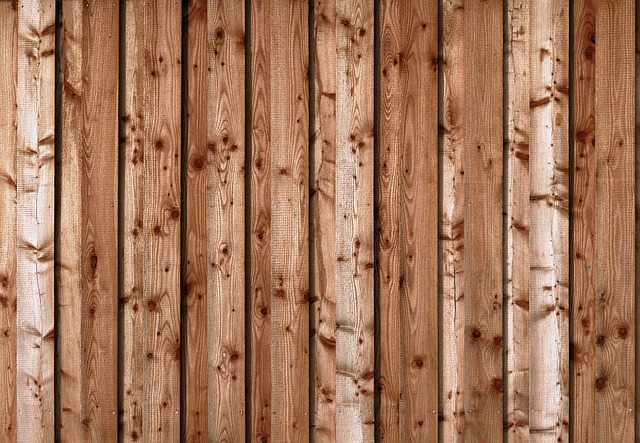
Consider a privacy fence as more than just a barrier—it’s an investment in your New Bedford, MA property’s value and your peace of mind. This comprehensive guide explores the multifaceted benefits of installing a privacy fence, from enhancing security to boosting curb appeal. We’ll navigate the material and style options that align with your aesthetic preferences, walk you through the installation process step-by-step, and share essential maintenance tips to ensure your new fence stands the test of time.
- Understanding Privacy Fence Benefits for Your Property
- Choosing the Right Material and Style for Your Fence
- The Installation Process: Step-by-Step Guide
- Post-Installation Maintenance Tips for Longevity
Understanding Privacy Fence Benefits for Your Property
Installing a privacy fence can significantly enhance your property’s appeal and value, especially in a bustling city like New Bedford, MA. Beyond aesthetics, a privacy fence offers several benefits tailored to your needs. It provides a sense of security by creating a physical barrier, giving you greater control over who enters your space. This is particularly advantageous if you have a large backyard or live close to a public area, ensuring peace of mind when enjoying the outdoors.
Moreover, privacy fences act as natural sound barriers, reducing noise pollution from neighboring properties or busy streets. They offer a sense of seclusion and can transform your outdoor area into a tranquil retreat. With various styles, materials, and designs available, you can choose a fence that aligns with your property’s character and personal preferences, ensuring an inviting and private outdoor space.
Choosing the Right Material and Style for Your Fence
When it comes to privacy fences, the choice of material and style is crucial in ensuring both functionality and aesthetic appeal. In New Bedford, MA, homeowners have a variety of options to consider. Traditional wooden fences offer a classic look and can be customized with various styles like picket or board. However, wood requires regular maintenance and may be susceptible to rot or insect damage over time. Alternatively, vinyl fencing is low-maintenance, durable, and available in numerous colors and designs, making it an excellent choice for those seeking long-lasting privacy without the hassle of upkeep.
Metal fences provide a modern and sleek appearance but can be more expensive. They are robust and require little maintenance, suitable for areas needing security or noise reduction. The style options include wrought iron, aluminum, or steel, each offering unique visual appeal. Consider your neighborhood’s aesthetics and personal preferences when making this decision to ensure the fence complements your property while serving its intended purpose of providing privacy.
The Installation Process: Step-by-Step Guide
The installation process for a privacy fence starts with careful preparation and measurement to ensure the perfect fit. Homeowners should clear the area where the fence will be installed, removing any obstructions like plants or debris. They’ll then mark out the perimeter using stakes and string to guide the fence’s placement.
Next, the posts are set in concrete, a process that requires drilling holes and placing the posts at the desired height. Once the concrete sets, the fence panels can be attached. This typically involves securing them to horizontal rails with brackets, creating a sturdy barrier. The final step is adding the gate, ensuring it opens and closes smoothly for easy access.
Post-Installation Maintenance Tips for Longevity
After your privacy fence is installed, proper maintenance will ensure its longevity and keep it looking its best. Regular cleaning with a soft brush or hose can remove dirt, debris, and any mildew that may accumulate over time. It’s important to treat the fence with a water-based preservative every few years to protect against rot, corrosion, and damage from the elements.
Inspect your fence regularly for any signs of wear, cracks, or loose posts. Repair these issues promptly to prevent further damage. Keep the area around the fence clear of debris and overhanging branches, as they can cause harm to the fence during storms or strong winds. Lastly, consider adding a layer of landscaping fabric under the fence to prevent weed growth and protect the base from moisture.