Introduction:
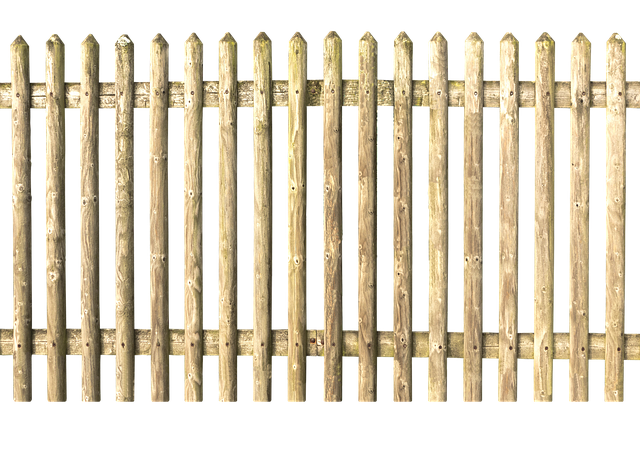
Maintaining a wooden fence is an investment in your home’s aesthetics and value. Fence staining and sealing are crucial steps to protect your wooden fences from the elements, enhance their durability, and boost curb appeal. This comprehensive guide delves into every aspect of the process, from understanding the benefits and choosing the right stain to application techniques, sealing for protection, and maintenance tips. By the end, you’ll be equipped with the knowledge needed to transform and preserve your wooden fence.
- Understanding Fence Staining: Benefits and Types
- Preparation: Cleaning and Repairing Your Wooden Fence
- Choosing the Right Stain: Color Options and Porosity
- Application Techniques: Spraying, Brushing, or Rolling?
- Sealing for Protection: Importance and Best Practices
- Maintenance Tips for Long-Lasting Results
Understanding Fence Staining: Benefits and Types
Fence staining is more than just adding colour; it’s a process that enhances the beauty and longevity of your wooden fence. The benefits are multifaceted, starting with protection against environmental elements like sun exposure, rain, and extreme temperatures, which can all contribute to wood rot and fading. Staining also seals the grain, making it easier to clean and maintain.
There are several types of fence staining options available, each offering unique characteristics. Water-based stains are eco-friendly and easy to apply, but they might not last as long as oil-based alternatives. Oil-based stains provide superior durability and a deeper colour, ideal for high-traffic areas or where aesthetics are paramount. Some modern stains also incorporate UV protection, ensuring your fence stays vibrant and protected from the sun’s harmful rays.
Preparation: Cleaning and Repairing Your Wooden Fence
Before staining or sealing your wooden fence, proper preparation is key. Start by thoroughly cleaning the fence to remove any dirt, dust, mildew, or mold. Use a pressure washer or a soft-bristled brush and mild detergent to ensure a clean surface. This step is crucial as it allows for better adhesion of the stain or sealer.
Inspect the fence for any damaged or rot sections. Repair these areas using wood putty or replacement pieces. Sanding the fence gently after repairs will help create a smooth base, ensuring an even application of your chosen finish.
Choosing the Right Stain: Color Options and Porosity
Choosing the right stain for your wooden fence is a crucial step in maintaining its beauty and longevity. The first consideration is color, with options ranging from natural shades that enhance the wood’s grain to vibrant hues that add a bold aesthetic appeal. Each color option varies in depth and saturation, allowing you to match your fence’s style or create a feature piece in your outdoor space.
Porosity is another critical factor. Different stains penetrate the wood at varying levels, affecting how well they protect against elements like UV rays, moisture, and fungal growth. Water-based stains, for instance, are less likely to darken the wood as much but offer lower protection compared to oil- or polyurethane-based options that provide a thicker, more protective barrier. Selecting a stain with suitable porosity ensures your fence stays in excellent condition over time.
Application Techniques: Spraying, Brushing, or Rolling?
When it comes to applying stain and sealer to a wooden fence, there are several techniques available, each with its own advantages. Spraying is a popular choice due to its efficiency and ability to cover large areas quickly. However, it may not be suitable for intricate designs or hard-to-reach spots as the mist can be difficult to control.
Brushing offers more precision, allowing you to easily access corners, curves, and textures. It provides better control over the amount of product applied, ensuring no overspray or drips. Rolling is another effective method, especially for fences with a textured finish. A roller covers a wide area in one stroke, making it quick, but its size can make it challenging to navigate around tight spaces. The choice ultimately depends on your fence’s design and your personal preference for coverage and control.
Sealing for Protection: Importance and Best Practices
Sealing plays a pivotal role in safeguarding your wooden fence against the elements, ensuring its longevity and maintaining its aesthetic appeal. By creating a protective barrier between the wood and external factors like UV rays, rain, snow, and harsh temperatures, sealing prevents fading, cracking, warping, and rot. These are common issues that can weaken fences over time, making them more susceptible to damage and requiring frequent repairs or replacements.
Best practices for sealing involve using high-quality, weather-resistant products specifically formulated for wooden fencing. Apply the sealant evenly across all surfaces of the fence using a brush, roller, or sprayer, following the manufacturer’s instructions regarding application rate and dry times. Regular maintenance is key; reapply the seal coat every one to three years, depending on exposure to sunlight and local weather conditions, to ensure optimal protection.
Maintenance Tips for Long-Lasting Results
Regular maintenance is key to keeping your wooden fence looking its best and ensuring the stain and seal remain effective for longer periods. Start by cleaning the fence at least twice a year, removing any dirt, debris, or mold buildup with a soft brush and mild detergent. Avoid using harsh chemicals, as they can strip away the finish. After cleaning, dry the fence thoroughly before reapplying stain or sealer, following the manufacturer’s instructions for timing between these steps.
Additionally, inspect your fence regularly for any signs of damage, such as splits, cracks, or loose boards. Promptly repair these issues to prevent further deterioration and maintain the structural integrity of the fence. Consider sealing new wood before staining to protect it from the elements, and reapply both stain and sealer every 1-3 years, depending on exposure to sunlight and weather conditions, to maintain optimal protection and aesthetic appeal.